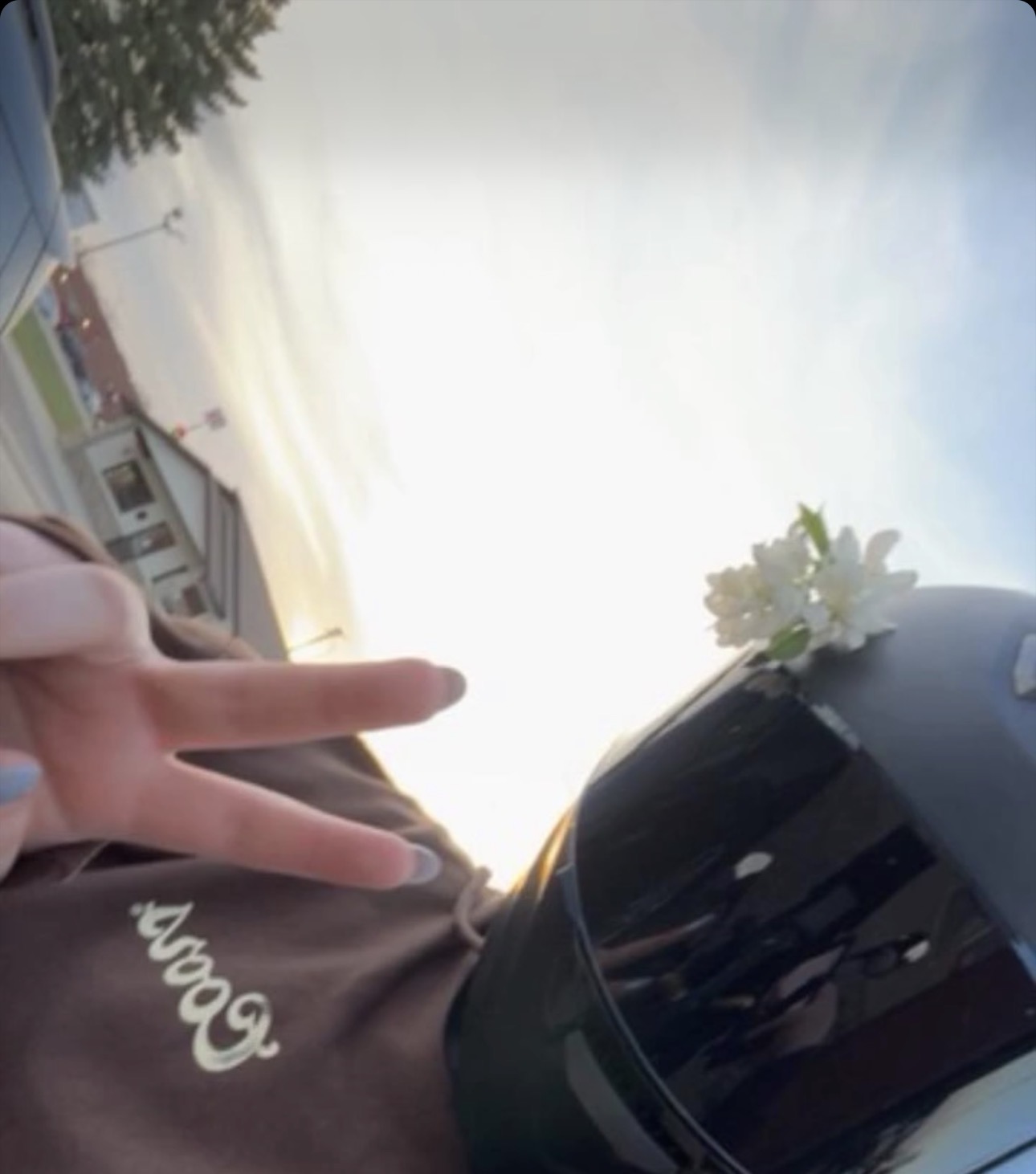
The Livingston Parish community is mourning the heartbreaking and sudden loss of 20-year-old Christa Prestridge, whose life was tragically cut short in a pedestrian crash on the evening of May 25, 2026. Her passing has left family, friends, and loved ones overwhelmed with grief as they struggle to come to terms with a tragedy that has shaken so many hearts.
According to Louisiana State Police Troop A, the fatal incident occurred shortly after 7 p.m. on LA 42 near Range Line Road in Livingston Parish. Troopers reported that a 2017 Dodge Ram was traveling eastbound on LA 42 just west of LA 63 when, for reasons still under investigation, Christa walked into the roadway in front of her residence and was struck by the vehicle.
Emergency responders arrived quickly at the scene, but despite every effort, Christa Prestridge sustained fatal injuries and was pronounced deceased at the scene. Authorities stated that the driver of the Dodge Ram was properly restrained and was not injured in the crash. Investigators also noted that impairment is not suspected, though routine toxicology samples will be submitted as part of the ongoing investigation.
The loss of someone so young is always devastating. At only 20 years old, Christa had so much life still ahead of her — dreams yet to be fulfilled, milestones yet to be celebrated, and memories yet to be made. Her sudden passing serves as a painful reminder of how fragile and unpredictable life can be.
Those who knew Christa will remember far more than the tragic circumstances surrounding her death. They will remember her smile, her laughter, her kindness, and the unique spirit she brought into the lives of those around her. Whether as a daughter, friend, relative, neighbor, or classmate, Christa’s presence mattered deeply to many people, and her absence now leaves an irreplaceable void.
As family members begin facing the unimaginable pain of planning farewells instead of future celebrations, the community has come together in support, offering prayers, condolences, and comforting words during this incredibly difficult time. Grief is never easy, especially when a life is lost so unexpectedly and far too soon.
The road where this tragedy occurred has now become a place forever tied to sorrow for those who loved Christa most. Yet beyond the heartbreak, there is also a commitment among loved ones to preserve her memory — not through the tragedy itself, but through the love, joy, and moments she shared throughout her life.
In times like these, words often feel inadequate. No statement can truly heal the pain experienced by grieving parents, siblings, relatives, and friends. But what remains undeniable is the impact Christa had during her time here. Even in just 20 years, she touched lives in ways that will never be forgotten.
As the investigation into the crash continues, many are holding Christa’s family close in thought and prayer, asking for strength and peace in the days ahead. The emotional weight of this loss will be carried for a long time, but so too will the cherished memories she leaves behind.
May Christa Prestridge be remembered not for the tragedy that took her life, but for the beautiful life she lived, the love she shared, and the lasting imprint she made on the hearts of everyone who knew her.
Rest peacefully, Christa. You will forever be loved, remembered, and deeply missed.